


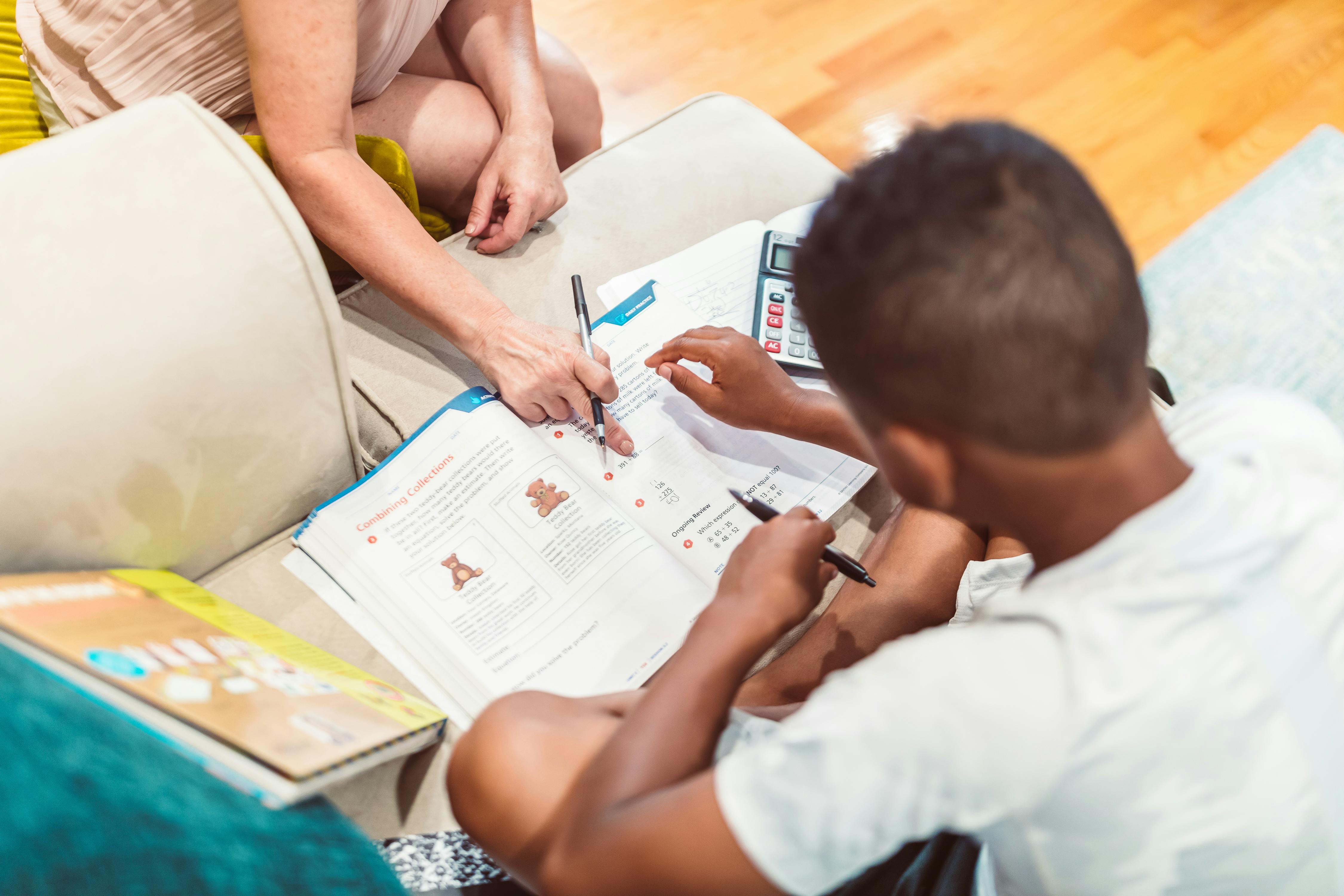

A child’s education does not stop when the school day ends. A lot of learning happens beyond the classroom, and that is where parental involvement plays a crucial role.
This does not mean parents need to become full-time teachers. It means creating a supportive learning environment at home, staying connected with the school, and helping children feel supported both academically and emotionally. When school and home work together, students thrive.
The strongest results usually come from a real partnership. A strong partnership between parents, teachers, and the wider school community gives children more stability, better learning opportunities, and a stronger chance of academic success. It also helps parents feel more connected to their child’s learning journey and gives students and families the tools they need to stay on track.
This guide looks at practical ways parents and caregivers can support their child’s learning at home and build a positive learning environment that supports growth, confidence, and long-term success.
Parental involvement has a lasting impact on student growth. When parents are engaged in their child’s education, children often show stronger motivation, better habits, and better outcomes for students overall. It is not only about marks. It is also about confidence, routine, and how children feel about learning.
A child who sees that parents care about school is more likely to take learning seriously. A child who knows adults are paying attention often feels more secure. That matters because emotional safety affects focus, effort, and willingness to ask for help when needed.
Parent engagement also helps schools. When parents and teachers stay connected, it becomes easier to spot learning needs early, respond to problems faster, and create a more responsive plan for support. In other words, family involvement strengthens the full learning experience.
One of the most useful things parents can do is create a supportive learning environment at home. It does not need to be expensive or perfect. It just needs to help the child focus and feel calm.
A supportive learning environment usually includes:
a quiet space for homework or reading time
a basic routine for schoolwork
fewer distractions during learning activities
access to books, supplies, and digital tools when possible
a home environment where children feel safe asking questions
This kind of positive learning environment helps children understand that learning matters not just at school, but also at home. It also helps create an environment where children feel more confident and more ready to work through challenges.
For younger children, this may look like early learning games, reading together, or simple learning opportunities built into daily routines. For older students, it may mean supporting independence while still checking in on deadlines, projects, and goals.
Children do better when school and home are not working separately. A strong partnership matters because it gives the child one clear message: the adults around you are working together.
That partnership can be simple. Parents do not need to be at every school event or know every detail of the curriculum. But it helps to stay informed, ask questions, and communicate openly with the school.
A healthy home and school connection often includes:
open communication with teachers
regular parent-teacher updates
digital communication through school apps, email, or portals
attending school events when possible
understanding what support is available
Digital communication has made it easier for parents to stay connected. Digital tools like school portals, messaging systems, and email updates can help keep parents informed about assignments, attendance, behaviour, and school activities. That matters because many parents are busy, and embracing technology can make parent engagement more realistic.
A common mistake is thinking support means doing the work for the child. It does not.
The goal is to support their child’s learning, not replace it. Children need help, structure, and encouragement, but they also need room to think, try, and struggle a little. That is how they build problem-solving and critical thinking skills.
A better approach is to:
ask what they are learning
help them break tasks into smaller steps
encourage them to explain their thinking
check whether they understand directions
help them organize time and materials
let them complete the actual work themselves
This supports children’s learning while still building independence. It also helps children feel capable, which is a big part of long-term academic success.
Supporting child’s learning at home is not just about homework. A lot of valuable learning can happen in ordinary moments.
Parents and other family members can create learning moments through:
reading time before bed
cooking and measuring
talking about current events
asking open questions during daily routines
visiting the library
encouraging curiosity about the world
These small habits create learning beyond the classroom and help children connect school knowledge to real life. They also strengthen the child’s knowledge over time in a way that feels natural, not forced.
For younger children, especially in early childhood education, these moments matter a lot. Early learning is not only about formal instruction. It is also about language, conversation, play, and the chance to explore ideas in a warm and responsive environment.
Parents and teachers do their best work when they communicate early, not only when something goes wrong.
Open communication helps everyone understand what the child needs. It also helps educators give clearer support and helps parents understand how to support their child’s education at home.
Good parent-teacher communication can include:
asking how the child is doing in class
checking on academic and emotional adjustment
asking what strategies to help at home
sharing changes at home that may affect learning
following up when concerns come up
Regular parent-teacher communication helps families feel supported and helps schools respond in a more collaborative way. It also helps teachers can help more effectively because they have a clearer picture of the child’s full school experience.
Every child has different learning needs. Some children need more structure. Some need more encouragement. Some need more time. A supportive learning environment at home works best when it is responsive to the child, not based on one rigid rule for everyone.
That means paying attention to:
what motivates the child
where frustration shows up
how much independence is realistic
whether the child learns better through reading, talking, drawing, or practice
when the child needs help and when they need space
A responsive approach helps children feel supported instead of judged. It also supports cultural responsiveness, which matters in diverse school communities. Families bring different experiences, values, languages, and routines. Schools that encourage parents and build relationships with families tend to create a more inclusive and effective family engagement model.
Academic support matters, but emotional support matters too. A child who feels anxious, discouraged, or disconnected from school may struggle even if the work itself is manageable.
This is why parental engagement is not only about grades. It is also about helping children feel seen, heard, and supported. Parents can help by:
noticing when stress is building
praising effort, not just results
keeping routines steady
helping the child talk through problems
reminding them that mistakes are part of learning
When children feel supported academically and emotionally, they are more likely to stay engaged, recover from setbacks, and keep trying. That creates a positive learning environment where children feel safe enough to grow.
Not every family has time for constant school involvement. That is real. But even small participation can help build a stronger sense of connection.
Opportunities for parents may include:
attending school events
joining family nights or curriculum sessions
volunteering when possible
reading school updates
taking part in parent engagement meetings
These things help families feel more connected to the school community and show children that school matters. They also strengthen the partnership between parents and schools in ways that support better outcomes for students.
Here are a few simple tips for parents that work in real life:
Set a regular reading time.
Keep a simple homework routine.
Ask specific questions about the school day.
Use digital communication tools to stay informed.
Encourage effort and problem-solving.
Stay calm when your child is frustrated.
Communicate with teachers before small issues become bigger ones.
Make the home environment supportive, not tense.
None of this requires perfection. The aim is to support their child’s learning consistently, not dramatically.
Parental involvement has a real impact on student growth. When parents and caregivers stay engaged in their child’s education, support their child’s learning at home, and build a strong partnership with the school, children are more likely to feel confident, connected, and ready to learn.
The goal is not to control every detail of a child’s educational journey. The goal is to create a supportive learning environment, stay connected with teachers, and give children the support they need to grow academically and emotionally.
That is what makes the biggest difference over time. Not one perfect strategy. Just consistent support, open communication, and a clear message that learning matters at school and at home.
Parental involvement plays a crucial role because it supports academic success, strengthens confidence, and helps children feel supported both at school and at home.
Parents can create a supportive learning environment at home by setting a routine, reducing distractions, making space for reading time and homework, and encouraging open conversations about learning.
A strong partnership includes open communication, regular parent-teacher contact, digital communication when needed, and shared effort to support the child’s learning and wellbeing.
Parents can support their child’s learning by helping them organize tasks, asking questions, guiding problem-solving, and encouraging independence instead of completing the work for them.
Simple ways include reading together, creating learning moments during daily routines, using educational activities at home, and staying involved in the school community when possible.

About the author
President of Tutorbright